Inside the Process of 2D Photo Engraving
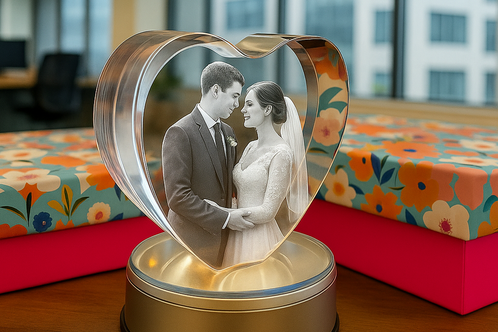
Not many items balance meaning and skill quite like 2D engraved crystals. crafted well, they convert a ordinary photograph into a enduring creation that preserves a story. I have watched customers lean in close to examine the delicate laser lines, each one engraving a tiny detail of a loved face or a shared celebration. The clarity of the glass lets the image feel suspended in air, almost like a soft projection trapped inside solid weight.
When I first practised with this style of crystal engraving, I thought the process would rely heavily on machinery alone. Instead, I quickly learned that human judgment still plays a large role. A crystal is only as good as the photograph that becomes its base. Poor contrast, cluttered backgrounds or shadows can mute the final engraving. A well chosen photograph, even one taken years ago on an older device, often produces a crisp and expressive result. Skilled technicians study every corner of the photo before sending it through the laser system, adjusting contrast or softening harsh edges so the final image sits neatly inside the glass.
When 2D crystals Define Emotional Storytelling
People often think of crystal engraving as purely decorative, but emotional context usually guides the decision. I have had individuals walk in with a worn print from the nineties, a quick snapshot from a birthday party or even a scanned image from an old album page. Once the light passes through the finished crystal, the memory feels renewed. The surface does not speak. The edges stay silent. Yet the engraved lines give a sense of dimension even though the technique stays two dimensional.
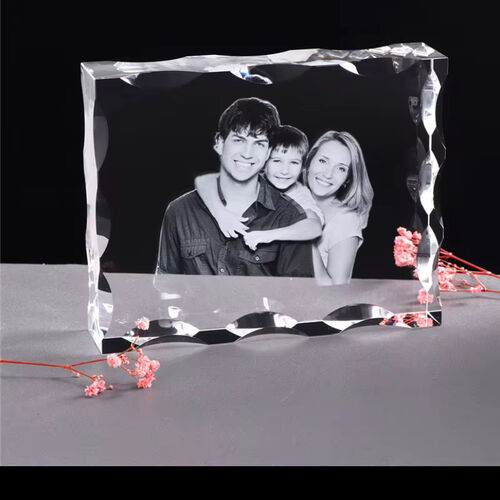
Some prefer a smooth, minimalist shape, like a rectangle or a square. Others choose heart shaped or round crystals. Shape does not change the engraving quality, but it changes the feeling the piece gives. A heart shaped design often suits couples or family portraits. A classic rectangular format suits graduations, awards or professional gifts. Each version carries its own tone. The important part is choosing what feels appropriate for the image and the occasion.
Examining the Method Behind the Crystal
The machinery that cuts these images uses lasers that interact with the interior of the glass without touching the surface. Instead of carving from the outside in, the beam forms tiny fractures within the center. These subtle fractures align to shape the photograph itself. When I watched the process for the first time, it reminded me of time lapse photography. Tiny flashes mark different points until the entire image forms. What appears delicate is actually quite durable, because the surface remains untouched.
Still, imperfections in the crystal blank can affect the final product. Small bubbles or internal streaks sometimes scatter the light. Reliable suppliers sort their blanks carefully, and a good engraver will reject anything that might distort a face or remove detail near the eyes. The eyes tend to be the focal point of any portrait, and a single flawed dot can totally shift the quality of the piece. With experience, you start to recognise a good blank by weight, clarity and the consistency of its edges.
Finding Photographs that Translate Well Inside Glass
Some images translate beautifully into crystal, while others struggle. Based on years of trial, I have built a mental checklist. Sharp lines tend to engrave cleanly. Busy backgrounds can distract unless adjusted before engraving. Dark hair in shadow can appear flat unless the technician raises brightness slightly. Children often produce wonderful results, because their expressions are clear and their facial proportions create natural contrast. Pets can engrave well, although long fur sometimes blends together unless separated carefully during the preparation stage.
One quiet advantage of 2D picture crystals is the way they handle older or imperfect photos. Grain becomes texture. Slight blurring becomes softness. As long as the main subject stands out clearly, the engraving usually looks charming. People have brought in phone images, scanned prints, even photos taken through windows. Some require more editing than others, but the laser tends to emphasise expression more than surface noise. This flexibility makes the format appealing for memorial pieces, where the available photograph may be the only one left.

Positioning Crystal Engravings at Home
A crystal’s visual impact changes depending on how light hits it. Placing one near a window introduces natural highlights during the day. Setting it on a shelf with a small LED base creates a soft glow at night. I keep a piece on my desk that captures a moment from a family gathering. Throughout the day, the image shifts as the sun moves, and the subtle shadows make the portrait appear almost alive. Unlike framed prints, crystals interact with light instead of absorbing it.
Weight and thickness also matter. Thin crystals feel elegant but can fall if placed near busy walkways or curious pets. Heavier blocks stay stable and often feel more substantial as gifts. A good workshop will offer size options so you can match the intended location of the display. Bedrooms usually suit smaller pieces, while living rooms or offices benefit from medium or large designs that hold presence on a shelf.

Care for Long Lasting Clarity
Cleaning a crystal is simple. A soft cloth usually removes fingerprints or dust. Harsh chemicals are unnecessary and sometimes produce streaks. Temperature changes rarely harm engraved crystals, although I recommend keeping them away from direct heat. Over many years, I have rarely seen engravings fade. Since the design sits within the interior rather than on the surface, it stays protected from scratches. The greatest risk tends to be accidental drops, since the weight of the piece makes impact more severe.
Why People Select 2D photo crystals for Gifts
Gifts work best when they carry meaning, and a personalised crystal carries layers of meaning at once. It represents the memory in the image, the physical craft of engraving, and the thoughtfulness behind choosing something tailored rather than generic. I recall a customer who created a crystal for her father’s retirement. She used a candid photo from a work celebration years ago, one he had forgotten existed. When she handed it to him, he stayed quiet for several seconds, studying the lines reflected inside the glass. He later told her it felt like holding time in his hands.
Because they suit so many occasions, customers often return to order new pieces for birthdays, memorials, anniversaries or milestones. The consistency of the medium helps build a family tradition. Some households keep a row of engraved portraits along a single shelf, each representing a different stage of life.

Essential Points to Consider When Ordering a Crystal
Although the process feels simple to customers, selecting the right settings improves the final outcome. Based on past projects, here are a few helpful reminders.
- Choose a photograph with clear focus around the eyes and main details.
- Select a crystal shape that suits the emotional tone of the image.
- Check size options so the piece fits the intended display location.
- Ask for minor contrast adjustments if the original image looks dim.
- Inspect the blank for clarity if viewing samples in person.
Closing perspective on 2D engraved crystals
Working with engraved glass has taught me how powerful a single preserved moment can be. 2D glass keepsakes carry a quiet presence that framed photographs rarely match. Light interacts with them, memories sit inside them, and the physical weight reminds you that even the smallest shared moment can become something tangible. If you decide to order one, the process feels both simple and personal. Choose an image that speaks to you. Let the technicians shape it. Then give it a place where light can reach it.
For those who want to explore further, you can view examples and order directly from 4d Photo Crystal. The craft continues to evolve, yet the heart of it stays the same, a photograph transformed into a quiet, enduring treasure.